
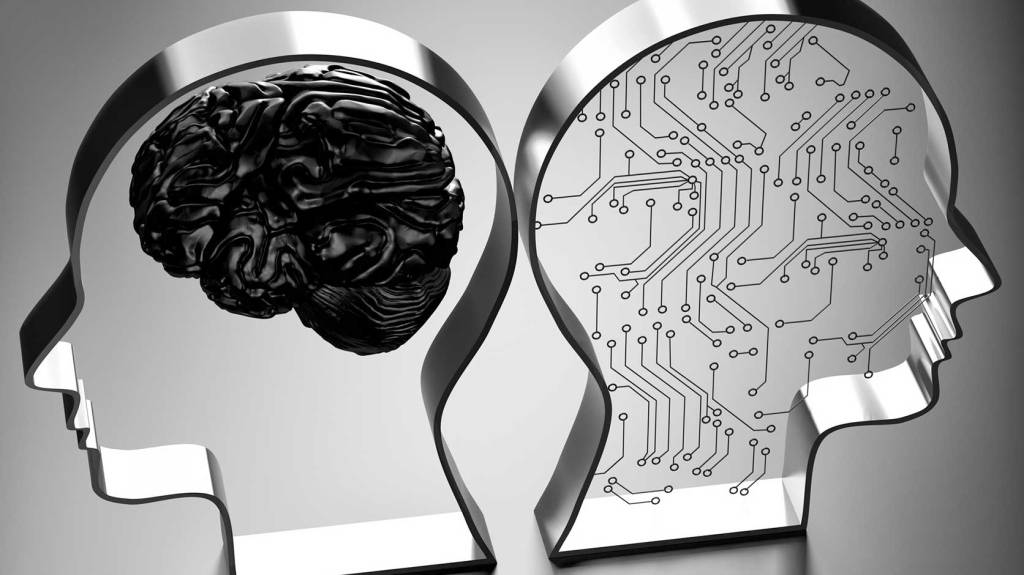
AI can be creative in certain ways, though its approach to creativity is very different from human creativity. When we talk about creativity in AI, it often comes down to how well an AI can generate new ideas, solve problems in novel ways, or produce art, music, or writing that feels fresh or innovative. However, its creative output is typically bound by the data and patterns it has been trained on, as well as the algorithms that guide its process. Here’s a closer look at what AI creativity involves:
1. Generative Creativity
- Examples: AI-generated art, music, and writing are among the most visible examples of generative creativity. Models like DALL-E, GPT, and others use vast datasets of images, text, and audio to create something new by combining and transforming existing patterns in unique ways.
- Mechanism: Generative models use sophisticated algorithms to synthesize data, but they’re not truly creating from scratch or from personal inspiration; instead, they combine elements learned from training data. So, while the output may look creative to us, it’s a reconfiguration of prior data rather than an entirely novel concept.
2. Problem-Solving and Innovation
- Examples: AI algorithms can help discover new drugs, suggest innovative materials, or optimize systems in ways that weren’t obvious to humans. AI excels at exploring many possibilities at once, especially in structured fields like mathematics, physics, and chemistry.
- Mechanism: Using methods like reinforcement learning or evolutionary algorithms, AI can “explore” solutions by trial and error or adapt previous successful strategies to new challenges. In many cases, the solutions AI finds can surprise or even inspire human researchers, as they may break with traditional thinking or assumptions.
3. Augmenting Human Creativity
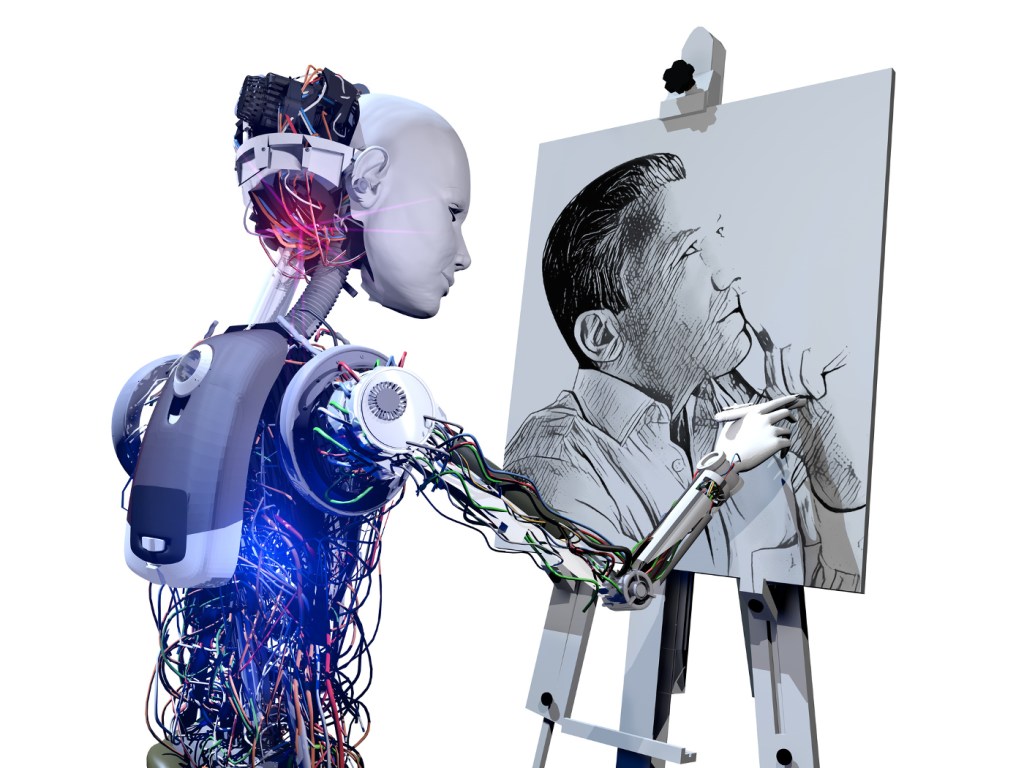
- Examples: AI can serve as a collaborator in creative fields, helping artists, musicians, and writers experiment with new ideas, overcome creative blocks, or find unexpected directions. For instance, musicians might use AI to generate a melody based on a given style or genre.
- Mechanism: In this role, AI acts more like a tool that expands the human creative process, giving artists and creators a starting point, reference, or unexpected twist. The final creative control and decision-making, however, remain with the human.
4. Limitations in True Creativity
- Context and Intent: Human creativity is driven by emotions, experiences, and intentions, all of which give depth and meaning to creative work. AI doesn’t experience these things; it operates without consciousness, intuition, or intent.
- Originality: While AI can generate outputs that look original, it isn’t creating from a true sense of originality; it’s generating based on patterns and probabilities in its training data. Even when it makes surprising connections, they lack the subjective motivation that often drives human creativity.
In Summary
AI can generate creative outputs by recombining existing elements in innovative ways, and it can even inspire or collaborate with humans. However, because it lacks true consciousness, personal experience, and emotional depth, AI’s creativity differs from human creativity in significant ways
 Vertaalbureau MOTTE