
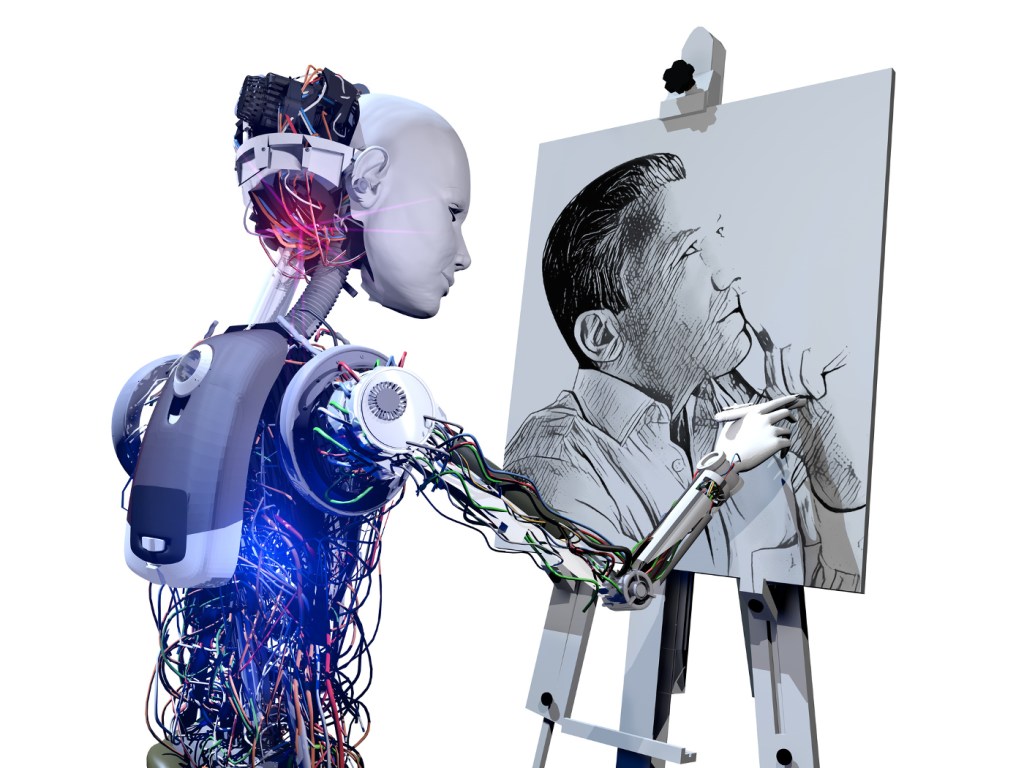
The creativity of AI is both fascinating and transformative, especially as we begin to see machines take on tasks that were traditionally exclusive to human imagination and ingenuity. AI’s approach to creativity is rooted in its ability to process vast datasets, recognize patterns, and generate new combinations of ideas, images, or words. Unlike human creativity, which draws from personal experience, intuition, and often an emotional or cultural connection, AI creativity is based on algorithms, probabilities, and learned data structures. But as it evolves, AI is beginning to exhibit behaviors that are eerily reminiscent of human creativity, inspiring a new dialogue about what it means to “create.”
For example, generative models like GPT-4 and DALL-E (which creates images from text prompts) showcase AI’s ability to produce art, music, literature, and design concepts. These systems don’t “feel” creativity as humans do, but they mimic it through a process called “generative synthesis,” blending learned elements to produce something original within a given framework. This approach has led to surprising, sometimes profound results, such as AI-written novels, original paintings, and new styles of music.
One powerful aspect of AI creativity is its capacity for collaboration. Human artists, writers, and scientists increasingly use AI as a partner, integrating its suggestions or novel outputs into their own work. In these hybrid environments, AI offers humans fresh ideas and perspectives that may not arise from a purely human-centered creative process. This symbiosis—where AI can suggest unanticipated plot twists in a novel or offer design combinations never before considered—hints at a future where creativity is shared between human and machine.
Still, AI’s creativity raises ethical and philosophical questions. Can an algorithmically generated piece be truly considered art? Who owns the creative rights? And what happens when AI begins to mimic human creativity so closely that it’s hard to tell the difference? These questions challenge our traditional notions of authorship, originality, and even the purpose of creativity itself.
As AI continues to develop, its role in creative fields could fundamentally change the landscape of human culture. Whether it remains a tool or grows into something closer to a collaborator, AI’s creativity will no doubt drive innovation and broaden our understanding of what creativity can be.
 Vertaalbureau MOTTE